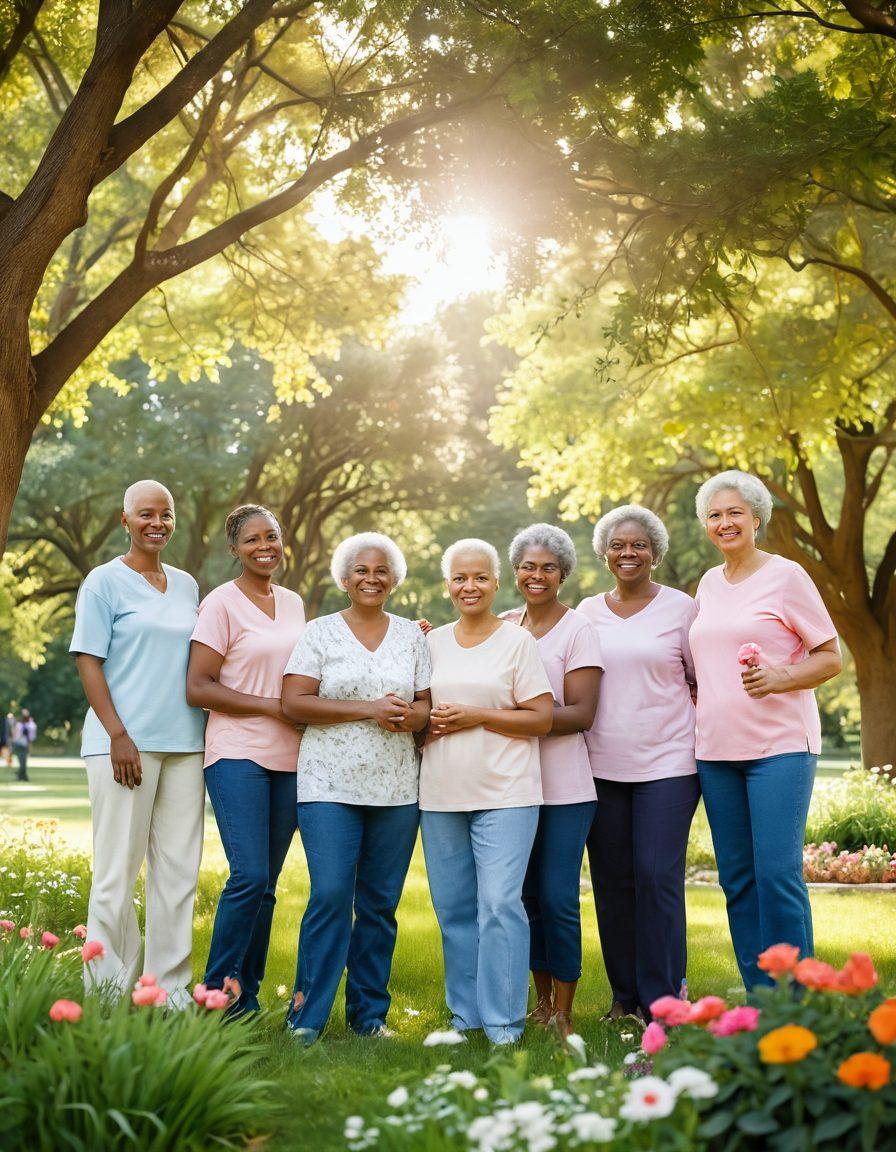
Empowering Survivors: Essential Health Tips and Support for Navigating Life After Cancer
Navigating the journey after a cancer diagnosis is often likened to wandering through a dense forest; it can feel overwhelming, disorienting, and filled with uncertainty. Each step taken away from malignancy symbolizes a victory, and yet, the path to well-being can be fraught with challenges. Just as a skilled navigator relies on a compass, cancer survivors can benefit from essential health tips designed to empower their journey back to wellness. From understanding oncology care to embracing self-care practices, this blog will serve as a guide to illuminate the way forward.
First and foremost, let’s talk about the importance of adopting lifestyle changes. Survivors often find that integrating health tips such as a balanced diet and regular exercise can significantly improve their quality of life. The motto 'you are what you eat' rings particularly true; nourishing our bodies can aid in recovery and enhance emotional health. So, what if a delicious plate of kale and quinoa could help you feel stronger? Imagine swapping takeout meals for home-cooked dishes filled with colorful, nutrient-rich ingredients. From utilizing nutritional advice to prioritize whole foods to exploring holistic health practices, you have the power to reshape your wellness journey.
But health isn’t just about the physical; it’s a multi-faceted puzzle that incorporates emotional well-being as well. You might ask yourself, 'How do I cope with the fluctuating emotions that accompany survivorship?' Engaging in support groups or connecting with caregivers can provide that much-needed sense of community support. Sharing experiences with others who have walked a similar path can foster connections that enhance your emotional health. Remember, you're not alone in this journey; there are numerous resource centers and advocacy groups tailored to guide you every step of the way.
As you negotiate living with cancer, awareness becomes vital. Keeping apprised of the latest medical research and clinical trials can equip you with the knowledge to make informed decisions about your ongoing therapy. Knowledge is power. Knowing the symptoms that require attention not only empowers you but also aids in the early detection of potential challenges. Advocating for your health means being a proactive participant in your care, not just a passive receiver.
Lastly, let's consider the importance of self-care. This isn’t simply a buzzword; it’s a necessary investment in your survivorship journey. What does self-care look like for you? Is it dedicating time to a hobby, pampering yourself with a spa day, or practicing mindfulness and meditation? These wellness strategies are not mere indulgences; they empower you to recharge and face the world with renewed strength and enthusiasm. Each small act of self-compassion adds up and reinforces your emotional and physical resilience. So as you continue navigating this multifaceted journey, remember that every change you make is a step towards a healthier, happier you.
Building a Stronger Tomorrow: Wellness Strategies for Life After Cancer
Navigating life after cancer can feel like embarking on a journey through uncharted waters. You've fought bravely against your malignancy, triumphed over your tumor, and yet the question remains: What comes next? Understanding that survivorship extends beyond the walls of the hospital is crucial. It’s not just about surviving; it’s about thriving. This blog will shed light on empowering wellness strategies to bolster your health and well-being as you move into this new chapter of life.
As cancer awareness grows and more patients find themselves transitioning into survivorship, it becomes vital to focus on holistic health strategies. This could mean integrating therapy into your routine, whether through physical rehabilitation or exploring emotional health resources that allow you to process your experience fully. Have you ever paused to consider how far the medical research has come? Innovative clinical trials are now providing survivors with access to cutting-edge treatment plans and wellness strategies designed uniquely for their ongoing journey.
Let’s talk about lifestyle changes. Often, we associate the term 'self-care' with pampering ourselves, but it encompasses much more. Nutritional advice plays a crucial role here—eating a balanced diet rich in whole foods can help reduce symptoms and foster well-being. Have you explored the idea of creating a resource center at home that includes healthy cookbooks or even a list of support groups available in your community? Connecting with others who understand your experience can provide immense emotional support as you navigate this new aspect of your life.
For caregivers, understanding the importance of community support is essential. They often face their own challenges while providing care for loved ones living with cancer. It’s vital that caregivers also seek support and focus on their own wellness strategies. ‘You can’t pour from an empty cup,’ they say. Establishing a routine that prioritizes both patient support and caregiver well-being can create a ripple effect of positivity in your journey.
Finally, let’s reflect on early detection and remaining proactive in your health. Utilize patient advocacy as a tool; become your own best advocate by staying informed about the latest resources and developments in oncology. Engaging in discussions about your health with medical professionals can empower you to take charge of your survivorship journey. As we look to build a stronger tomorrow, remember that every step you take toward wellness is a victory worth celebrating. After all, the story you tell about your experience doesn’t end with the word 'cancer,' but rather with 'survivorship.'
Community and Care: Advocacy, Support, and Resources for Thriving Beyond Cancer
When it comes to living beyond cancer, the journey doesn’t end with treatment; instead, it transforms into a new chapter of self-discovery, resilience, and empowerment. Survivorship is a profound experience that involves navigating the complexities of health and well-being after a cancer diagnosis. For many, the challenges are not solely physical, but emotional, social, and lifestyle-related as well. How do we build a supportive community that champions the lives of survivors amid the whispers of malignancy? This is where advocacy, support, and reliable resources come into play.
Community support plays a pivotal role in the survivorship journey. Imagine a warm embrace from a group of individuals who understand your struggles, share your hopes, and foster your growth. Each survivor's path is unique, punctuated by medical research and personal stories of resilience. By prioritizing cancer awareness, we can create platforms where advocacy groups can connect survivors with essential therapy options, nutritional advice, and lifestyle changes aimed at enhancing overall well-being. When was the last time you reached out to someone who gets it? Building these connections can significantly improve emotional health and provide respite from feelings of isolation.
Living with cancer means adapting to new realities. As survivors, the focus shifts to nurturing ourselves holistically. This is where health tips can significantly impact our quality of life. For instance, engaging in regular physical activity tailored to one's ability not only combats the lingering fatigue from treatment but also serves as an outlet for stress relief. Every small step taken towards self-care contributes to a larger journey of healing. Research shows that simple lifestyle changes like incorporating mindfulness practices, optimizing nutrition, and involving oneself in community resources can yield profound benefits. What one small step can you take toward better health today?
The role of caregivers cannot be overstated—they are the unsung heroes standing beside survivors. Providing patient support is crucial, not only during treatment but also in the post-treatment phase. Caregivers need resources too; their emotional and physical health is tied directly to the well-being of their loved ones. By fostering a system of community support that includes caregivers, we ensure that no one is left behind in the journey of survivorship. What tools and resources can caregivers access to help themselves while helping others?
In the grand scheme of survivorship, community and care form an intricate tapestry woven from shared experiences and individual strength. Clinical trials continue to pave the way for innovative therapies that promise hope for future patients. By joining hands, advocating for early detection, and creating accessible resource centers, we can cultivate an environment where survivors not only thrive but redefine what it means to truly live. Let’s ask ourselves: how can we, as a community, uplift those who are navigating the profound transitions of life after cancer? The answers may just hold the key to an empowered future for every individual affected by cancer.